Consumers
who transact and utilize TOKE for payments.
The TOKE Ecosystem rests on four pillars that support one another
who transact and utilize TOKE for payments.
who accept TOKE for goods and services.
which helps provide liquidity and generate fees for the company.
which provides capital that feeds the engine of the ecosystem.
Each pillar contributes differently to TOKE utility, demand, liquidity, and market participation, collectively supporting the token’s price and long-term value.
Current credit card and cashback programs are funded through merchant fees, with these costs ultimately passed on to consumers through higher prices for goods and services. In effect, consumers may pay more upfront for the cashback or rewards they receive. Today, more merchants are also adding surcharges of 3% or more to credit card and similar payment methods, sometimes passing the entire processing fee directly to the customer.
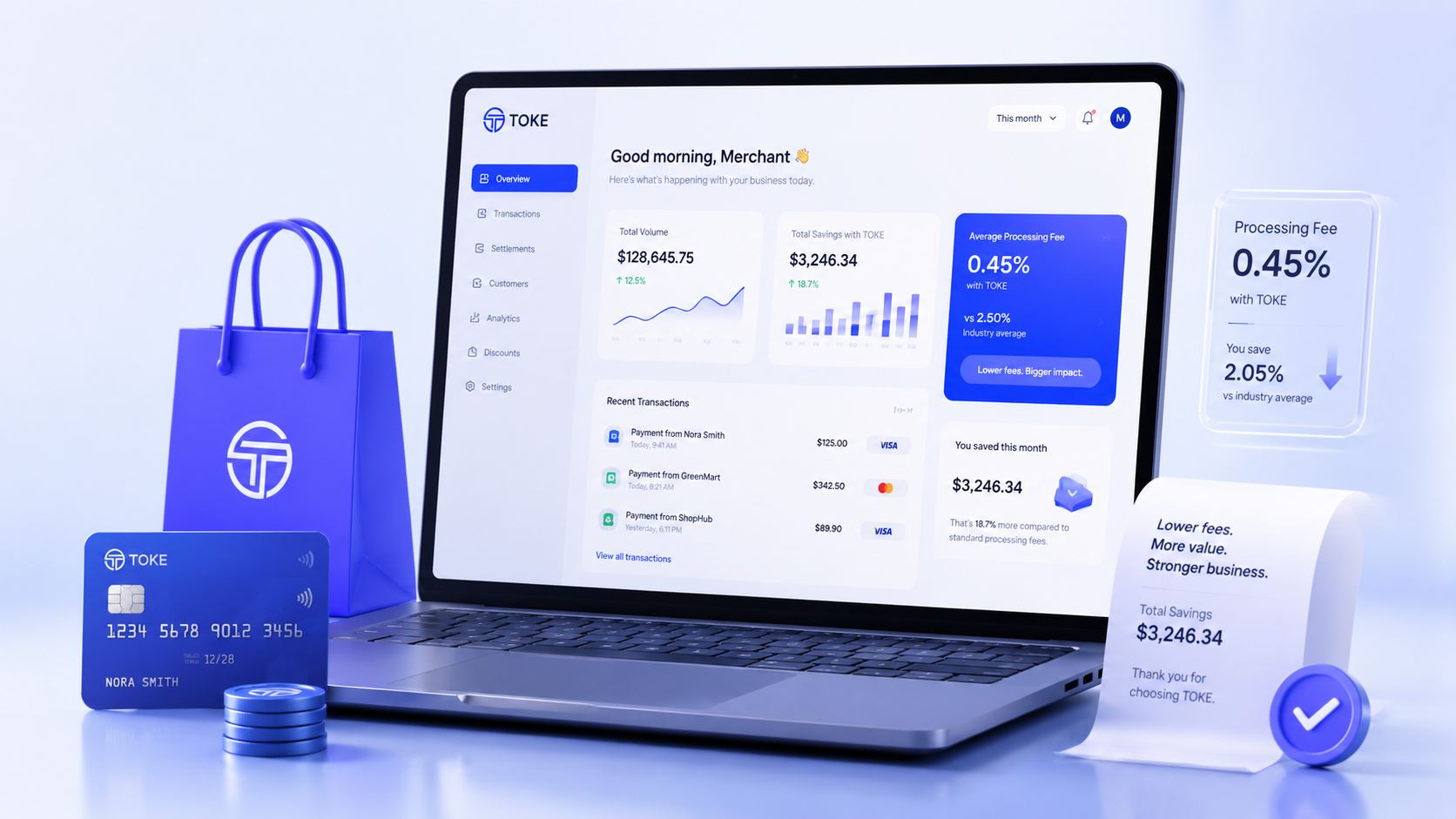
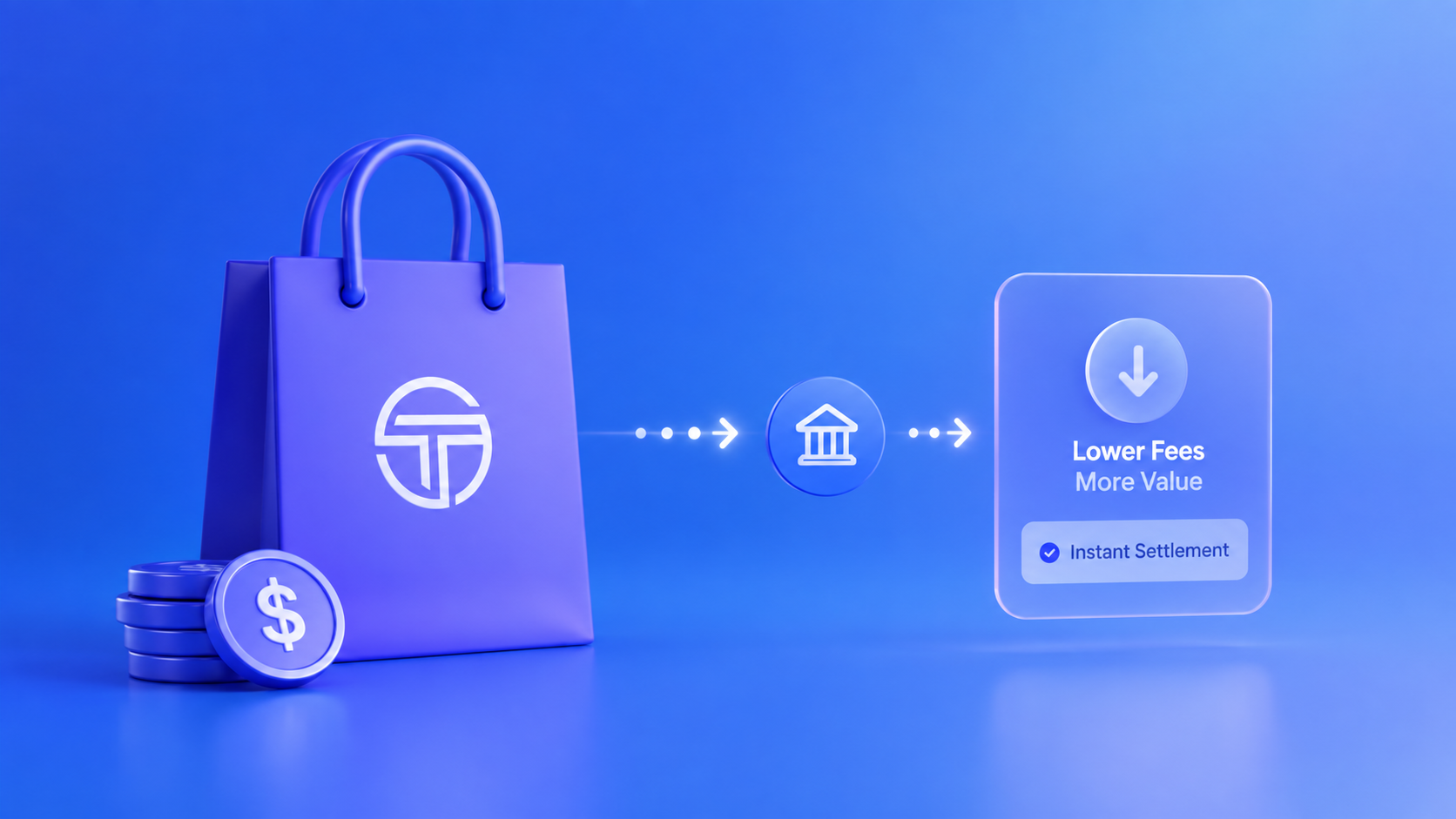
TOKE processing removes intermediaries, allowing merchant fees to be substantially lower than those charged by credit cards and other payment systems. Merchants will also have immediate access to funds, reducing the need to overcharge or add service fees. Lower fees will encourage merchants to offer discounts, special offers, and brand sponsorships that help reduce prices, increase purchasing power, and create greater benefits for consumers and merchants using TOKE.
Investors and traders typically pay broker and market-maker fees based on the difference between bid and ask prices. By eliminating these costs and directing that value into TOKE, the model further supports the token’s price, overall value, and broader market strength.
The TOKE model operates by eliminating intermediaries and reducing unnecessary costs. This streamlined structure supports a large, global, and continually expanding network, with each core area contributing to TOKE’s price, value, and long-term growth.
Whether you pay, accept, trade or invest, every participant strengthens the network and grows its value together.